Positive Affirmations and the Science of Trust: How They Affect Our Brain
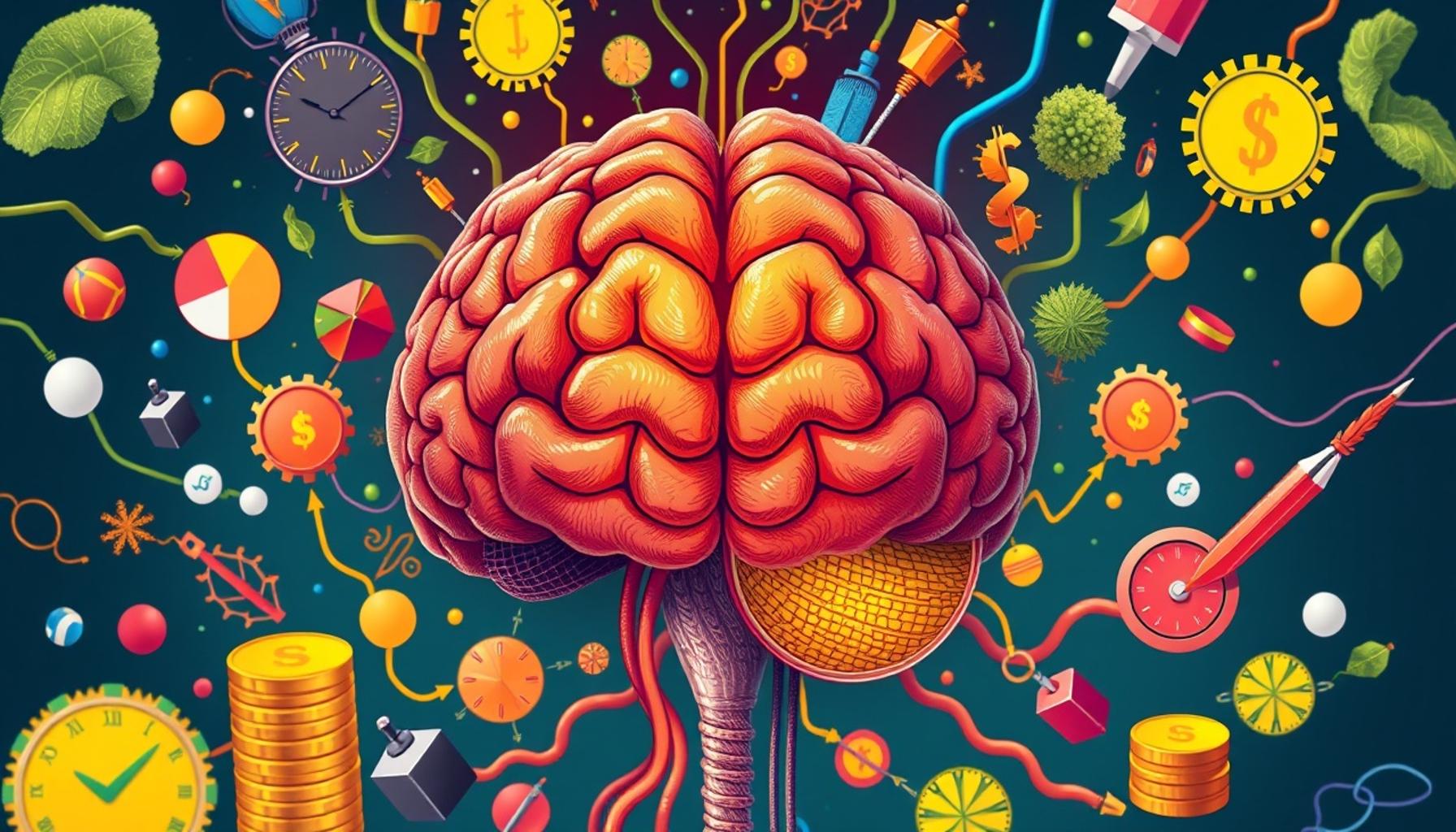
The Dynamics of Celebrating Self-Belief and Trust
Every day, our brains process a myriad of thoughts that shape our perceptions and influence our behaviors. The concept of positive affirmations plays a critical role in this dynamic, functioning as powerful tools for self-enhancement. These affirmations not only serve to uplift individual spirits but also play a significant role in fostering deeper connections among people.
But how do these affirmations intertwine with the science of trust? Both elements significantly impact mental well-being and cognitive function, often leading to transformative change in relationships and personal growth. Research reveals some fascinating insights into this interplay. Here are a few key points to consider:
- Positive Thinking: Affirmations encourage a constructive outlook, fostering resilience and motivation. For instance, when someone tells themselves, “I am capable of achieving my goals,” they not only boost their self-esteem but also prepare their minds to take actionable steps toward those goals.
- Neuroscience Insights: Studies show that repeating positive statements can alter brain activity. This practice enhances trust in oneself and others by creating new neural pathways associated with confidence and security. A 2016 study in the journal *Psychological Science* revealed that individuals who practiced affirmations showed significantly greater resilience in stressful situations, indicating a stronger sense of self-trust.
- The Role of Trust: Trust influences relationships, decision-making, and overall happiness. A study published by the American Psychological Association in 2018 found that individuals with higher trust scores reported better overall life satisfaction. In the workplace, trust translates to stronger collaboration and productivity, leading to professional growth and stability.
Research from various fields, including psychology and neuroscience, showcases how integrating affirmative language can reshape our thought patterns. The brain’s plasticity allows it to adapt to these changes, illustrating that affirmations are more than just words—they represent a bridge to deeper connections and trust.
Beyond individual wellness, the impact of positive affirmations extends into community dynamics. When people adopt a mindset of positivity and trust, they contribute to a more supportive environment. For example, community programs that encourage affirmations among members have been linked to lower crime rates and improved public health outcomes. This presents an intriguing possibility: that fostering trust through self-affirmation can lead to wider societal benefits.
In this exploration, we will delve into the mechanisms behind positive affirmations and how they foster trust, revealing their profound impact on mental health and interpersonal dynamics. By understanding these connections, we can better harness the power of positive self-talk to enhance our lives and our communities, illustrating that believing in oneself is the first step toward trusting others.
DISCOVER MORE: Click here to unlock the power of positive affirmations
Unlocking the Mechanisms of Positive Affirmations
When we explore the intersection of positive affirmations and the science of trust, we begin to uncover a wealth of knowledge that is both practical and transformational. Affirmations have gained traction in therapeutic practices, self-help literature, and wellness workshops, not just for their anecdotal benefits but also for the neurological changes they invoke. To understand this connection, let’s dive deeper into how positive affirmations operate on our brain.
The Power of Repetition
At the core of positive affirmations lies the principle of repetition. When we consistently repeat affirming statements, we are engaging a process known as neuroplasticity, where the brain rewires itself in response to new experiences and stimuli. Research indicates that this practice can yield lasting impacts on our self-perception. According to a study published in *Frontiers in Psychology* in 2018, participants who engaged in daily affirmations demonstrated significant improvements in self-worth and an increase in overall happiness levels over time.
Forming Trust through Neural Connections
The scientific implications extend beyond personal well-being; they reach into our social lives as well. Positive affirmations help bolster the trust we have in ourselves, which, in turn, enhances our capacity to trust others. A compelling study in *Social Cognitive and Affective Neuroscience* illustrated that individuals engaging in affirmations exhibited increased activation in the brain’s prefrontal cortex—the region associated with decision-making and social behavior. The implications here are notable: when we nurture trust in ourselves through affirmations, we become more agile at building trust in our relationships.
Impact on Stress and Anxiety
Moreover, practicing positive affirmations has demonstrated profound effects on stress and anxiety, which can often undermine our trust. A paper published in *Health Psychology* revealed that individuals utilizing affirmations before stressful events experienced lower cortisol levels, the hormone linked to stress. This suggests that positive self-talk not only fortifies mental resilience but can also reduce physiological responses to pressure. When we believe in ourselves, we approach challenges with confidence rather than apprehension, further cementing our relationships with others.
- Improved Self-Efficacy: Studies show that affirmations enhance one’s sense of self-efficacy, which refers to the belief in one’s ability to succeed.
- Reduction in Negative Thought Patterns: Repeating positive affirmations can combat adverse thoughts, allowing for a clearer, more optimistic perspective.
- Strengthened Community Trust: As individuals affirm themselves, they contribute to a culture of positivity, fostering trust within groups and communities.
As the exploration of positive affirmations and trust deepens, we see that the neuroscience backing these concepts not only impacts personal growth but also enables improved interpersonal dynamics. Affirmations serve as a catalyst for change, demonstrating how believing in oneself extends outward, allowing for enhanced trust in both personal and professional spheres.
| Advantages of Positive Affirmations | Impact on Mental Health |
|---|---|
| Enhanced Self-Esteem | Regular use of positive affirmations can significantly boost an individual’s self-esteem, making them feel more confident in their abilities and worth. |
| Reduction of Negative Self-Talk | This practice can lead to a decrease in negative thought patterns, allowing individuals to replace them with constructive and supportive narratives. |
The exploration of how trust interacts with positive affirmations opens avenues for understanding brain functionality. Research demonstrates that engaging in positive affirmations not only strengthens individual belief systems but also fosters a sense of trust, both in oneself and in others. This transformation occurs through neuroplasticity, where repeated affirmations can reshape brain pathways, leading to enhanced emotional resilience.Incorporating affirmations into daily routines facilitates an environment where trust can flourish, as they encourage open communication and vulnerability. Such dynamics are essential for building relational trust, significantly influencing both personal and professional spheres. As individuals practice self-affirmation, the brain releases neurotransmitters such as dopamine, creating a rewarding sensation that reinforces these behaviors, ultimately cultivating a positive mindset conducive to lasting trust.Moreover, studies suggest that organizations implementing positive affirmation programs yield better teamwork outcomes, as employees experience increased morale and cooperation. Therefore, investigating the effects of positive affirmations not only elucidates personal benefits but also highlights their broader social implications—an intriguing area worthy of further examination.
DISCOVER MORE: Click here for empowering affirmations
The Ripple Effect of Positive Affirmations on Trust
While the direct benefits of positive affirmations on self-trust are compelling, it is vital to recognize the broader implications these practices have for societal trust norms. When individuals cultivate a sense of trust in themselves, the effects can ripple outward, fostering communal positivity and increasing overall trust among groups. This is especially pertinent in an era where societal divisions often threaten collaborative engagement.
Creating a Culture of Trust
At a community level, this culture of trust can be cultivated through widespread affirmation practices. Consider schools and workplaces that implement routine affirmation sessions. Such environments do not only aim to enhance individual morale but can also transform organizational culture. Research presented in the *Journal of Organizational Behavior* indicates that workplaces encouraging self-affirmation exercises reported a marked increase in team cohesion and interdependence. Employees were found to have better working relationships, leading to elevated levels of trust among their peers.
Affirmations’ Role in Overcoming Implicit Bias
Furthermore, positive affirmations have shown efficacy in mitigating implicit biases, a critical factor in interpersonal trust. A study highlighted by *The Journal of Experimental Social Psychology* discovered that individuals who regularly practiced affirmations reported a significant reduction in biases against different social groups. By affirming the worth and capabilities of all individuals, we open the door to less biased decision-making processes. Consequently, this reduction in bias contributes to a more inclusive atmosphere, laying the groundwork for stronger interpersonal and community trust.
Neurobiological Insights into Trust Mechanisms
Delving deeper into the neurobiological mechanisms, findings from *The Neuroscientist* illustrate how positive affirmations can alter the functioning of the amygdala, the brain region pivotal in processing fear and emotional responses. When individuals engage in affirmations, they can cultivate a less reactive emotional state, thereby enhancing their ability to trust. This condition facilitates a more relaxed and open mindset when approaching others, promoting more meaningful relationships founded on trust.
- Social Neuroscience Evidence: Studies in social neuroscience highlight how repeated affirmations can alter our brain’s perception of trustworthiness in relationships.
- Improved Emotional Intelligence: Engaging in affirmations enhances emotional awareness, making individuals more adept at understanding and responding to the emotions of others.
- Promoting Resilience in Community Trust: Affirmation practices not only boost resilience in individual trust, but they also bolster communities against trust erosion during challenging times.
The mechanism of transformation extends from the individual to the community, showcasing that as we bolster self-trust through positive affirmations, we create a chain reaction that can lead to trust-oriented societies. The science behind trust and positive reinforcement reveals how these elements are intricately woven into the fabric of both our personal lives and the broader communal contexts we inhabit.
DISCOVER MORE: Click here to empower yourself
Conclusion: The Transformative Power of Positive Affirmations on Trust
In an increasingly polarized world, the synergy between positive affirmations and the science of trust unveils a promising path toward healing and connection. The ability of affirmations to enhance self-trust serves as a critical foundation for fostering trust within communities. As individuals embrace these practices, they not only mitigate personal insecurities but also contribute to a broader culture of trust that can have profound implications in schools, workplaces, and social gatherings.
The neurobiological insights underscore that affirmations alter the functioning of the brain, nurturing a mindset that is less reactive and more open, which is essential for building meaningful relationships. Additionally, the reduction of implicit biases through routine affirmation highlights the potential for creating inclusive spaces where trust can flourish. As highlighted by research, emotionally intelligent individuals, equipped with self-affirmation practices, can navigate interpersonal dynamics more effectively, thus enhancing trust among diverse groups.
As we reflect on the ripple effects triggered by positive affirmations, it becomes clear that individual growth and community trust are intricately linked. By prioritizing affirmation rituals, we can cultivate resilience against societal distrust and contribute to more engaged and cohesive communities. In pursuing further exploration of this intersection between affirmations and trust, we empower ourselves to not only transform our personal lives but also inspire collective action toward a future grounded in trust and cooperation. The journey begins within; as we affirm our own worth, we pave the way for stronger bonds of trust in the world around us.