Meal Prep Strategies for Quick and Budget-Friendly Cooking
Understanding the Importance of Meal Prep
In today’s fast-paced world, finding time to cook healthy meals can feel overwhelming. However, by implementing meal prep strategies, you can effectively streamline your cooking process, allowing for healthier choices while saving time and money. This organized approach transforms your kitchen routine into a more efficient and enjoyable experience.
Benefits of Meal Prepping
Adopting meal prep practices can yield numerous advantages. For starters, quick preparation is one of the most appealing benefits. By dedicating just a few hours on the weekend to prepare meals, you can significantly cut down on the time spent cooking during the week. Imagine arriving home from a long day at work and simply reheating a nutritious and delicious meal rather than starting from scratch.
Additionally, meal prepping is inherently budget-friendly. When you buy ingredients in bulk and plan your meals in advance, you can drastically reduce food waste and save money on groceries. For example, purchasing a bulk pack of chicken breasts or quinoa enables you to utilize these items in various recipes throughout the week—ensuring nothing goes to waste.
Moreover, meal prep promotes healthier choices. By controlling the ingredients and portions, you can avoid the pitfalls of takeout and processed meals. This not only leads to improved nutritional habits but also fosters a better understanding of your dietary needs. According to a study by the International Journal of Behavioral Nutrition and Physical Activity, individuals who prepare their meals are significantly more likely to maintain a healthy weight.
Key Meal Prep Techniques
Effective meal prepping requires planning and organization. Here are some essential strategies to consider:
- Batch Cooking: Cook large quantities of your favorite dishes—think soups, stews, or casseroles—and divide them into individual portions to freeze or refrigerate. This ensures you always have a variety of meals at your fingertips.
- Ingredient Prep: Spend a little time chopping vegetables, marinating proteins, or even pre-cooking grains to streamline your weekday meals. Having these components ready to go allows you to whip up a healthy dish in just a few minutes.
- Use Versatile Ingredients: Choose staple items that can be incorporated into multiple meals, such as sweet potatoes, brown rice, or leafy greens. With these versatile ingredients, you can create a range of dishes that keep your menu exciting and fresh.
By embracing these meal prep strategies, you can unlock the secret to efficient cooking and healthier eating. The potential for creativity and variety in your meals is vast, ensuring that you will not fall into monotonous eating habits. Get ready to dive deeper into the world of meal prep and discover the techniques that best align with your lifestyle and culinary preferences.
DON’T MISS: Click here for quick one-pot meal ideas
Essential Meal Prep Strategies for Busy Lifestyles
As you navigate the complexities of a busy schedule, incorporating meal prep strategies can revolutionize your approach to healthy cooking. The key lies in creating an efficient system that keeps your meals fresh, nutritious, and affordable. By adopting these strategies, you can transform your kitchen into a hub of creativity while slashing your food expenses and prep time.
Creating a Meal Prep Schedule
One pivotal aspect of successful meal prepping is establishing a meal prep schedule. Begin by dedicating specific days for planning, shopping, and cooking. Many choose Sunday as a “meal prep day,” allocating a few hours to prepare for the week ahead. Such a schedule not only sets a routine but also allows you to align your cooking with your grocery shopping—ensuring you have everything on hand to minimize last-minute stress.
Planning Your Meals
Effective planning is the backbone of any successful meal prep routine. Begin by evaluating your week: consider your work schedule, social commitments, and personal preferences. Once you have this insight, create a menu that utilizes economical ingredients and aligns with your dietary goals. Here are some tips to keep your planning efficient:
- Incorporate Leftovers: Prepare dishes that can be scaled up and served as leftovers for lunch or dinner the next day. For instance, a large pot of chili or a casserole can provide meals for several days.
- Focus on Seasonal Produce: Shopping for seasonal fruits and vegetables not only enhances flavor but also reduces costs. Local farmers’ markets can often offer fresh produce at lower prices than supermarkets.
- Try a Theme Night: Create themed meals throughout the week, such as “Taco Tuesday” or “Stir-Fry Sunday.” This structure simplifies planning and makes meal preparation more engaging.
Shopping Smart on a Budget
Once you’ve crafted a solid meal plan, it’s time to hit the grocery store. Using a shopping list based on your planned meals can drastically cut down on impulse purchases. Here are some budget-friendly shopping tips:
- Buy in Bulk: Purchasing staples such as grains, beans, and frozen vegetables in bulk can lead to significant savings. These items have a longer shelf life and can easily form the base of various meals.
- Utilize Store Brands: Many grocery stores offer their own brand of products that maintain quality at a lower price point. These items often mirror name-brand products without the extra cost.
- Plan for Sales: Keep an eye on weekly sales and discounts. Planning meals around these offers can lead to further savings, particularly on meats and produce.
Implementing these meal prep strategies not only encourages economical cooking but also allows you to embrace a lifestyle centered around health and productivity. By committing to a structured meal prep routine, you’re not merely saving time and money; you’re investing in your well-being and satisfaction. Get ready to explore even more dynamic techniques that align with your unique culinary style and health goals.
| Advantage | Description |
|---|---|
| Cost Efficiency | Meal prepping allows you to buy ingredients in bulk, significantly reducing costs and wastage. You can stretch your grocery budget further by planning meals around seasonal produce and sales. |
| Time-Saving | Preparing meals ahead of time saves you valuable time throughout the week. With meals prepped, you eliminate the need for daily cooking and can enjoy a hassle-free dining experience. |
| Nutritional Control | You have complete control over ingredients and portion sizes, helping you maintain a balanced diet while avoiding unhealthy takeout options. |
| Variety | Meal prepping allows you to incorporate a wide range of recipes and flavors, keeping your meals interesting and satisfying, thus preventing food boredom. |
In addition to the various advantages of meal prep strategies, it’s worth exploring some practical tips for implementation. Begin by dedicating a few hours each week to batch cooking. Choose versatile ingredients, such as proteins and grains, that can be utilized in multiple recipes. Don’t hesitate to utilize freezer-friendly options like soups and stews that can be stored without losing quality. Proper storage is essential, so invest in good quality containers that keep food fresh and convenient for on-the-go meals. By adhering to these practices, you can not only simplify your cooking process but also enhance your overall lifestyle with healthy, cost-effective meals.
DISCOVER MORE: Click here for easy slow cooker recipes
Smart Cooking Techniques for Efficient Meal Prep
Once you’ve outlined your meal plan and created a budget-conscious shopping list, the next step is to master smart cooking techniques that maximize your time in the kitchen. Implementing these methods can help you whip up meal prep batches with ease, keeping your weeknight dinners stress-free and delicious.
Batch Cooking: The Ultimate Time Savers
Batch cooking is perhaps the most powerful tool in your meal prep arsenal. By cooking large quantities of a single dish, you can easily stock your refrigerator or freezer for those hectic days when cooking from scratch seems impossible. Some effective batch cooking ideas include:
- Soups and Stews: These hearty meals can be made in one pot and can last for several days in the fridge or freeze well for later use. Consider classic options like minestrone, chicken noodle, or lentil soup that are both filling and nutritious.
- Grain Prep: Cooking large batches of grains such as quinoa, rice, or oats makes it easy to throw together meals quickly. These staples serve as bases for salads, bowls, and stir-fries, adding variety and nutrition to your diet.
- Protein Packs: Cook and portion proteins like grilled chicken, roasted tofu, or baked fish in advance. Having proteins ready to go simplifies getting a meal on the table, making it easy to mix and match with different sides and sauces.
Efficient Storage Solutions
How you store your meals is just as important as how you prepare them. Investing in efficient storage solutions can prolong the freshness of your food and keep meal prep organized. Consider these options:
- Quality Containers: Use airtight containers that are suitable for both freezes and reheating. Glass containers are durable and allow you to see what’s inside without opening each one, while freezer bags can save space.
- Labeling: Properly labeling your meals with dates and contents can help you keep track of what you have on hand and prevent food waste. A permanent marker or adhesive labels can do wonders.
- Portion Control: Divide meals into single-serving sizes right after cooking. This makes it easy to grab-and-go while also controlling portion sizes and preventing overeating.
Embrace One-Pan and One-Pot Meals
For those who seek simplicity without compromising taste, one-pan and one-pot meals can be a game-changer. These dishes require minimal cleanup and make for efficient cooking. A few noteworthy recipes include:
- Sheet Pan Dinners: Toss your proteins and vegetables with seasonings onto a single sheet pan and roast for a wholesome meal with the ease of cleanup. Dishes like lemon herb chicken with asparagus or salmon with root vegetables capture balance and flavor.
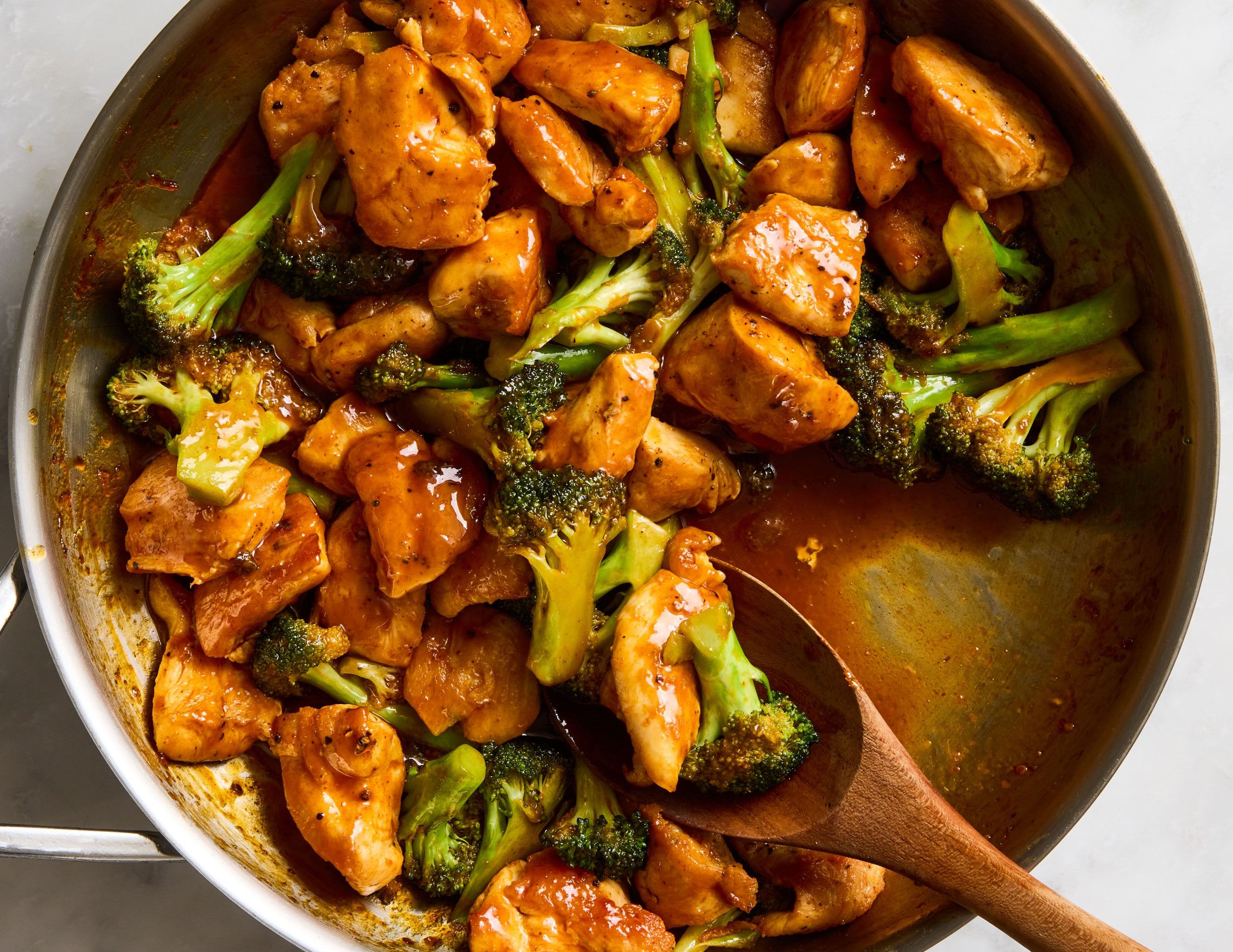
- Skillet Meals: A flavorful stir-fry or a hearty frittata allows you to incorporate various ingredients in one skillet, locking in flavor and nutrients without the fuss of multiple pots.
- Slow Cooker Delights: Just throw in your ingredients, set it, and forget it! Slow cookers can create robust meals like beef stew or pulled pork with minimal active prep time, ideal for days when you have other commitments.
By integrating these smart cooking techniques into your meal prep routine, you can not only enhance your cooking efficiency but also enjoy a wider variety of healthy and budget-friendly meals. The right strategies will ensure that your hard work in the kitchen pays off throughout the week, leaving you satisfied without the overwhelm of daily cooking.
DISCOVER MORE: Click here for delicious slow cooker recipes
Wrapping Up: Maximizing Meal Prep for a Stress-Free Week
In conclusion, adopting effective meal prep strategies can significantly transform your cooking routine while adhering to a budget. By focusing on techniques such as batch cooking, efficient storage solutions, and the use of one-pan and one-pot meals, you can create a versatile repertoire of dishes that save time, money, and reduce food waste.
Prioritizing planning and organization not only streamlines your grocery shopping but also empowers you to maintain a balanced diet. Preparing ingredients in advance, like cooking grains and pre-portioned proteins, lay the groundwork for assembling quick meals that cater to your schedule during the week.
Furthermore, embracing the power of seasonal and local ingredients can enhance your culinary creations while keeping costs down. Always being mindful of food labels and expiry dates aids in minimizing waste, thus yielding greater financial savings over time.
As you begin to implement these quick and budget-friendly cooking strategies, you may discover an enjoyable side effect: a newfound creativity in the kitchen. Experimenting with diverse flavors and cuisines becomes easier when the foundational work has been laid out ahead of time.
Ultimately, meal prepping is about making cooking a more manageable and enjoyable part of everyday life. With a little planning and preparation, you can savor delicious meals that are both nourishing and easy on the wallet, ensuring that your health and peace of mind are prioritized throughout the week.
Related posts:
One-Skillet Recipes: Delicious Dishes with Minimal Cleanup
30-Minute Budget-Friendly Dinners for the Whole Family
5 Time-Saving Kitchen Gadgets That Make Cooking Easy
30-Minute Budget-Friendly Dinners for the Whole Family
Meal Prep Hacks: How to Save Time and Money in the Kitchen
Speedy Breakfast Ideas for Busy Mornings

Beatriz Johnson is a seasoned home cook and recipe developer with a passion for simplifying the art of budget-friendly and easy-to-make meals. With over a decade of experience in the kitchen, she specializes in topics like meal planning on a budget, affordable ingredient swaps, and quick cooking techniques for busy households. Through her work, Beatriz empowers readers to create delicious, satisfying meals while saving money and making the most of every grocery trip.