Batch Cooking Basics: How to Prepare and Store Meals Efficiently
Introduction
Imagine stepping into your kitchen on a weekend, armed with ingredients and a plan. Batch cooking transforms this vision into reality, enabling you to prepare multiple meals for the week ahead in just a few hours.
This efficient cooking method not only saves time but also helps you maintain a healthier lifestyle. With proper meal preparation, you can create wholesome dishes that cater to your dietary needs while minimizing food waste. By streamlining your cooking process, you can focus on enjoying your meals rather than scrambling at the last minute.
What is Batch Cooking?
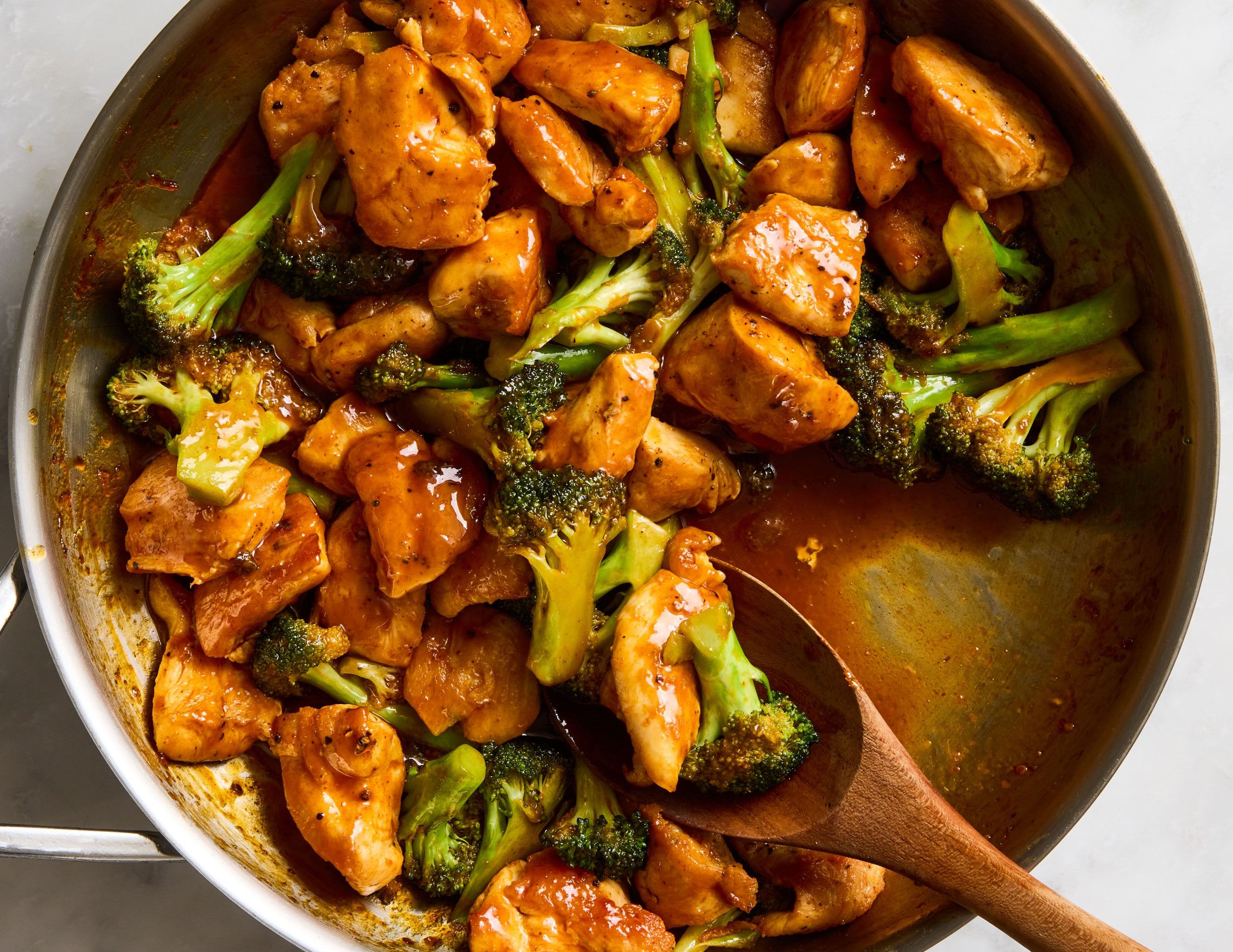
Batch cooking involves preparing large quantities of food at once, then storing meals for later use. This method can be broken down into several key components:
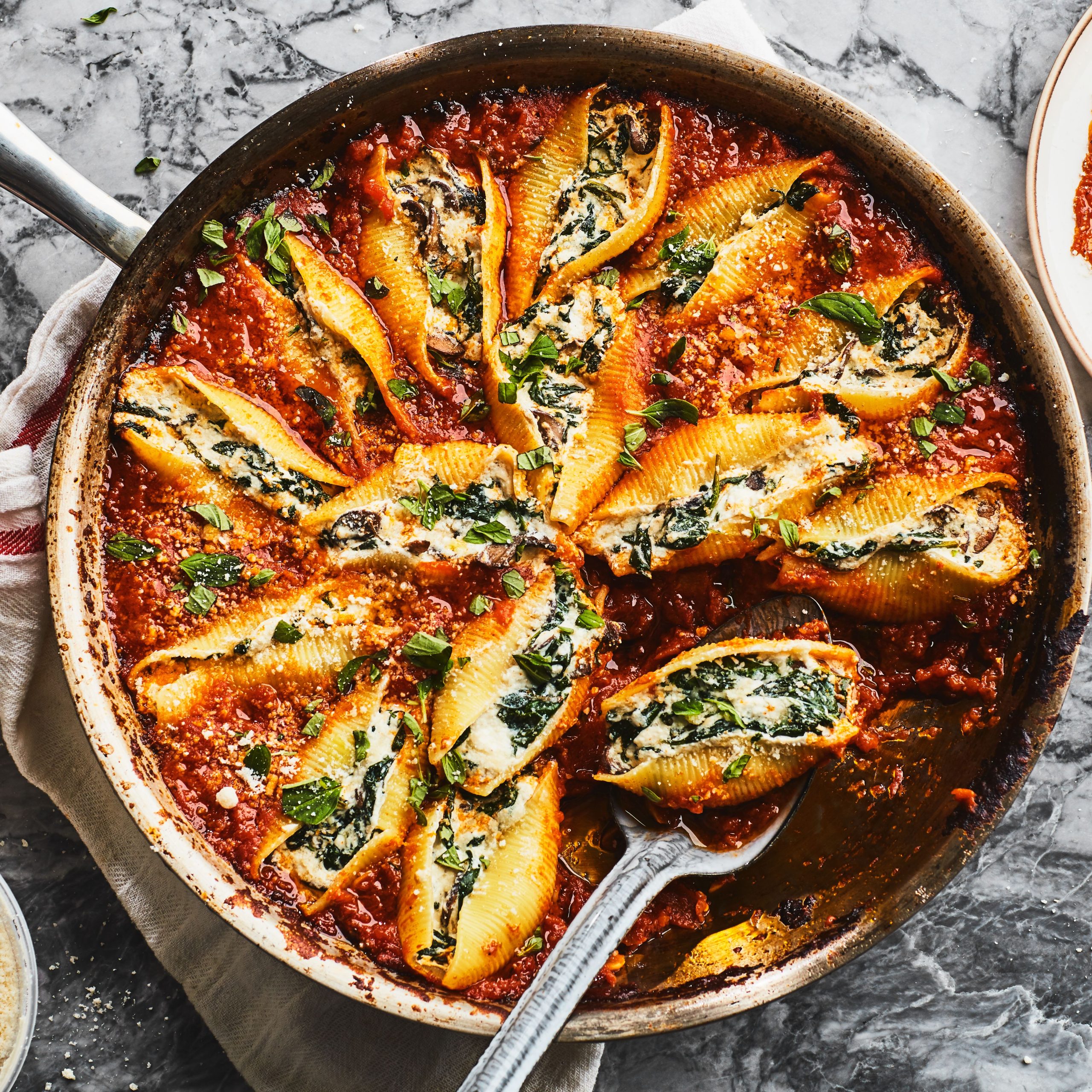
- Planning: Begin by brainstorming recipes that are versatile and easy to store, such as soups, casseroles, and stir-fries. Estimate appropriate portion sizes for each dish based on your family’s needs or individual diets.
- Preparation: Gather all necessary ingredients and utensils. Having a clean and organized workspace can significantly enhance your cooking efficiency. Chop vegetables and marinate proteins ahead of time to streamline the cooking process.
- Cooking: Efficiently cook multiple dishes at once. Consider techniques like using one pot for multiple items or roasting several trays of vegetables simultaneously. This not only saves energy but also infuses flavors together in unexpected ways.
- Storage: Use appropriate containers to keep food fresh. Invest in high-quality airtight containers or freezer bags to reduce air exposure and maximize shelf life, thus reducing waste and saving money.
Why should you embrace batch cooking in your busy life? As professionals juggle work, family, and social engagements, the simplicity of this approach can be a game changer. Consider these compelling benefits:
- Time savings: Spend less time cooking during the week by dedicating a few hours on the weekend. Imagine having a delicious meal ready to go at the end of a long day, eliminating the age-old dilemma of “What’s for dinner?”
- Cost-effective: Buying ingredients in bulk can lead to substantial savings. By using pantry staples alongside seasonal produce, you can create nutritious meals without breaking the bank.
- Healthier choices: Control ingredients and portion sizes to ensure meals are aligned with your nutritional goals. When you make these decisions in advance, you’re less likely to succumb to unhealthy last-minute takeout options.
Ready to dive into the world of batch cooking? By planning, preparing, cooking, and storing efficiently, you’re not just saving time and money, but also enhancing your overall health and well-being. Explore various recipes suited to your tastes and needs, and discover how batch cooking can revolutionize your approach to meal time!
DISCOVER MORE: Click here for budget-friendly breakfast ideas
Getting Started with Batch Cooking
Transitioning to batch cooking can feel daunting at first, but breaking it down into manageable steps can simplify the process. Here’s how you can effectively start batch cooking and set yourself up for success throughout the week.
Creating Your Meal Plan
Before hitting the store or the kitchen, it’s essential to have a solid meal plan in place. Spend some time each week to consider the following:
- Recipe Selection: Choose recipes that not only appeal to your taste buds but also offer versatility. Dishes like stews, grain bowls, and roasted vegetables are fantastic because they can be mixed and matched throughout the week.
- Dietary Considerations: Assess any dietary restrictions you or your family may have. This step ensures your meal prep aligns with nutritional goals, whether it’s vegetarian, paleo, low-carb, or any other dietary plan.
- Proportions and Portions: Estimate how many meals you’ll need for the week, including lunches, dinners, and even snacks. Portioning can vary based on individual appetites; consider using a food scale to ensure accuracy.
Grocery Shopping Wisely
With your meal plan in hand, it’s time for a well-thought-out shopping expedition. Here are a few tips to ensure you’re making the most of your grocery trip:
- Make a List: Stick to your meal plan and avoid impulse buys by creating a detailed shopping list. This helps in reducing food waste and keeps your budget in check.
- Buy in Bulk: Purchasing items like rice, beans, and nuts in bulk can save you money. They have a long shelf life and are great staples for many dishes.
- Seasonal Produce: Opt for seasonal fruits and vegetables to boost both flavor and nutrition. Local farmers’ markets are excellent places to find fresh produce and support local businesses.
Efficient Cooking Techniques
Now that you have your ingredients and recipes, it’s time to dive into cooking. Here are some methods that can enhance your efficiency in the kitchen:
- One-Pot Cooking: Utilizing one-pot recipes minimizes clean-up and allows flavors to meld together, making your meals more robust. Consider using a slow cooker or Instant Pot for added convenience.
- Batch Baking: If applicable, dedicate a portion of your cooking time to baking items like muffins or energy bars that can be frozen and enjoyed later.
- Simultaneous Cooking: Maximize your oven and stovetop’s capabilities by cooking multiple dishes at the same time. For example, roast a large quantity of vegetables while simmering a pot of soup.
By following these foundational steps in batch cooking, you lay the groundwork for a streamlined approach to meal preparation. As you gain confidence and develop your techniques over time, you may find it easier to experiment with new recipes and adapt your plans based on your evolving tastes and preferences.
| Advantages | Details |
|---|---|
| Time Efficiency | Batch cooking allows you to prepare multiple meals simultaneously, significantly reducing overall cooking time during the week. |
| Cost Savings | By purchasing ingredients in bulk and preparing meals at once, you can lower grocery bills while reducing food waste. |
| Health Benefits | Preparing meals in advance enables you to control portions and nutrition, promoting healthier eating habits. |
| Convenience | Having prepped meals in your fridge or freezer means easier access to healthy options, eliminating the temptation of takeout or junk food. |
Batch cooking, or meal prepping, is not just a culinary trend; it’s a transformative approach to managing time and resources in the kitchen. Whether you are a busy professional, a parent wrangling kids’ schedules, or someone looking to eat healthier, understanding the advantages of batch cooking can significantly elevate your food preparation game. With the right planning and execution, you can enjoy home-cooked meals throughout the week without the daily hassle of cooking from scratch. This method not only brings efficiency to meal times but also fosters a more intentional approach to eating, encouraging you to make nutritionally balanced choices. The benefits aren’t just limited to the kitchen – they extend to both your wallet and well-being, making batch cooking a worthy investment of your time.
DISCOVER: Click here for delicious breakfast ideas under $3!
Storing and Reheating Your Meal Prep
After crafting your dishes with care, the next crucial step in the batch cooking process is to effectively store and reheat your meals. Proper storage prevents food waste and ensures that flavors remain intact, essential for maintaining meal enjoyment throughout the week.
Choosing the Right Storage Containers
When it comes to storing your batch-cooked meals, selecting the right containers makes all the difference. Here are some key considerations:
- Material Matters: Opt for glass containers over plastic, as they are more durable, do not absorb odors, and are microwave-safe. Additionally, glass is an eco-friendly option that supports sustainability.
- Sizes and Shapes: Using a variety of container sizes can help accommodate different portions. Stackable designs are particularly beneficial for maximizing fridge space and organization.
- Sealing Mechanisms: Containers with airtight seals help keep food fresh and prevent freezer burn. Silicone lids or vacuum-sealed options offer excellent protection for long-term storage.
Understanding Freezing Techniques
Freezing is a powerful ally in batch cooking, allowing you to preserve meals without sacrificing flavor or texture. Here’s how to do it effectively:
- Cool Before Freezing: Always allow your meals to cool down to room temperature before placing them in the freezer. This step helps prevent ice crystals from forming, which can compromise the dish’s quality.
- Portion Control: Consider freezing meals in individual serving sizes. This not only makes reheating easier but also encourages portion control, aiding in maintaining a balanced diet.
- Label Everything: Clear labeling with the date and name of the dish is essential. This practice ensures you utilize your frozen meals within their optimal timeframe—generally within three to six months for best quality.
Reheating Methods That Retain Quality
To enjoy your batch-cooked meals at their best, reheating techniques matter just as much as preparation. Here are some effective methods:
- Microwave Tips: If using a microwave, cover your food to keep moisture in and ensure even heating. Stirring midway through can also help eliminate cold spots.
- Oven Reheating: For dishes like casseroles or baked meals, reheating in the oven can restore their original texture. Preheat the oven to 350°F and cover the dish with foil to prevent drying out.
- Stovetop Revival: Soup-based meals or stews can be revived on the stovetop by adding a splash of water or broth. Heat over low to medium heat, stirring occasionally until warmed through.
Mastering the ins and outs of storage and reheating is equally as important in the batch cooking process as the initial preparation. With the right containers, reliable freezing practices, and effective reheating methods, you will enhance the practicality and enjoyment of your home-cooked meals.
DISCOVER MORE: Click here for delicious breakfast bowls under $3
Conclusion
In the fast-paced world we live in, batch cooking emerges as an invaluable strategy to streamline meal preparation and enhance overall efficiency. By following the foundational elements of meal planning, cooking, storing, and reheating, you can turn busy weeknights into opportunities for healthful, homemade dining. The tips for choosing the right storage containers and mastering freezing techniques ensure that your meals stay fresh, nutritious, and flavorful, making your culinary efforts last beyond just one day.
Moreover, by adopting effective reheating methods, you can revitalize your cooked meals, turning leftovers into delightful dining experiences that never lose their appeal. This approach not only saves time and reduces food waste but also promotes healthier eating habits, as you have pre-portioned, balanced meals at your fingertips.
As you embark on your batch cooking journey, consider experimenting with new recipes and flavors to keep your weekly menus exciting. Emphasize the importance of planning and organization in your approach, and gradually refine your processes to suit your lifestyle. With a bit of practice, you’ll discover the true joy and satisfaction that comes from nourishing yourself and your loved ones with home-cooked meals. So gear up, stock your kitchen with essential tools, and let the culinary adventure begin—it’s time to relish in the rewards of efficient meal preparation!
Related posts:
Meal Prep Hacks: Save Time and Money with Efficient Cooking
30-Minute Dinners: Delicious Recipes for the Busy Cook
30-Minute Meals: Quick and Affordable Recipes for Busy Weeknights
5 Essential Kitchen Gadgets for Time-Efficient Cooking
Quick Meals with Ingredients You Already Have at Home
Meal Prep for Beginners: Simple and Affordable Recipes to Kickstart Your Week

Beatriz Johnson is a seasoned home cook and recipe developer with a passion for simplifying the art of budget-friendly and easy-to-make meals. With over a decade of experience in the kitchen, she specializes in topics like meal planning on a budget, affordable ingredient swaps, and quick cooking techniques for busy households. Through her work, Beatriz empowers readers to create delicious, satisfying meals while saving money and making the most of every grocery trip.