How to Create Delicious Meals with Leftovers: Making the Most of Simple Ingredients

Turning Everyday Ingredients into Gourmet Meals
In many households, leftovers often linger at the back of the fridge, initially cooked with love, but later forgotten. However, with a touch of imagination and culinary creativity, these seemingly dull remnants can be transformed into exquisite dishes that astonish your palate. Not only does embracing leftovers enhance your culinary repertoire, but it also contributes positively to your budget and the environment by minimizing food waste, making it a sensible and satisfying choice.
Consider some commonly discarded foods that can become the star of your kitchen. For instance, cooked meats such as chicken, beef, or pork can be the foundation for a myriad of meals. Shredded chicken pairs perfectly with tacos or enchiladas, while leftover beef can be sautéed with veggies to create a hearty stir-fry. Furthermore, vegetables—whether they are roasted, steamed, or stir-fried—can be revived into colorful salads or blended into soups. Don’t overlook grains; a simple bowl of rice or quinoa can become a flavorful base for a Buddha bowl or fried rice when complemented with the right seasonings and leftover proteins. Even soups and stews can be reinvented; instead of serving the same soup again, consider adding a splash of coconut milk and some fresh herbs for a brand new flavor profile.
Understanding the potential of what may seem like culinary “scraps” opens the door to an array of delicious possibilities. For example, wraps or sandwiches can be a fantastic lunch option, combining deli meats, cheeses, and whatever vegetables are on hand. You could even make a casserole using leftover pasta, vegetables, and a cheese sauce baked to perfection for a comfort food classic. Stir-fries offer a quick and flavorful way to enjoy a rainbow of leftover vegetables, seasoned with soy sauce or teriyaki sauce, bringing zest to your meals. Lastly, tossing together a salad incorporating greens, grains, and various proteins can yield a nutritious meal that is both refreshing and fulfilling.
If you’re intrigued by the art of repurposing your kitchen leftovers, stay tuned for the next sections. We will explore practical tips and innovative recipes that encourage you to open your fridge and create culinary magic from what you already have. This journey into leftover creativity might inspire not only your meals but also a more sustainable lifestyle.
DISCOVER MORE: Click here for delicious one-pot meal ideas

Rediscovering Leftovers: The Key Ingredients
In today’s fast-paced world, where meal preparation and food sustainability have become increasingly pertinent, repurposing leftovers represents both a practical solution and a culinary adventure. Mastering the art of transforming leftovers into new and exciting dishes not only reduces food waste but also optimizes your grocery budget. Let’s delve deeper into some common leftover staples, exploring how to creatively integrate them into your cooking routine.
The Power of Leftover Proteins
Proteins often comprise the most substantial portion of a meal, providing not only flavor but also essential nutrients. Think about the different types of leftover proteins you might have in your fridge. Here are some imaginative ways to give these ingredients a second life:
- Shredded Chicken: One versatile option is to mix it with BBQ sauce, creating sliders that are perfect for a casual family dinner or tailgate party. Pair these with coleslaw for a delightful texture contrast. Alternatively, tossing it into a crisp salad with ranch dressing can provide a hearty yet healthy lunch.
- Cooked Ground Beef: This leftover favorite can find new life in a warm chili. Add beans, tomatoes, and your choice of spices for a comforting dish. You might also repurpose it into tacos topped with fresh ingredients like avocados and salsa, or even use it as a filling for a savory shepherd’s pie topped with creamy mashed potatoes, evoking warmth and home-style cooking.
- Leftover Fish: Perfect for a quick meal, flake leftover fish into a casserole enriched with breadcrumbs, or combine it with pasta and a creamy lemon alfredo sauce for a filling dish that feels luxurious.
Creative Ways to Utilize Vegetables
Vegetables represent the colorful and nutritious backbone of many meals. Leftover veggies can reinvigorate your culinary creations. Here are some exciting applications:
- Roasted Vegetables: Simply toss them into a frittata for breakfast or lunch, bringing a vibrant mix of flavors to your plate. They can also be combined with whole grains like quinoa for a nourishing lunch bowl, garnished with a tangy vinaigrette.
- Steamed Veggies: These can effortlessly be added to creamy soups, boosting their nutritional value. Alternatively, blend them into a vegetable smoothie, paired with fruits like bananas and spinach, to create a nutrient-packed drink.
- Raw Veggies: Think outside the salad bowl — chop them into bite-sized pieces and toss them into a vegetable stir-fry with soy sauce and ginger for a quick weeknight dinner.
Grains: The Unsung Heroes of Leftovers
While often overshadowed by proteins and vegetables, grains can serve as the robust foundation of numerous meals. Here are a few clever ideas for using leftover grains:
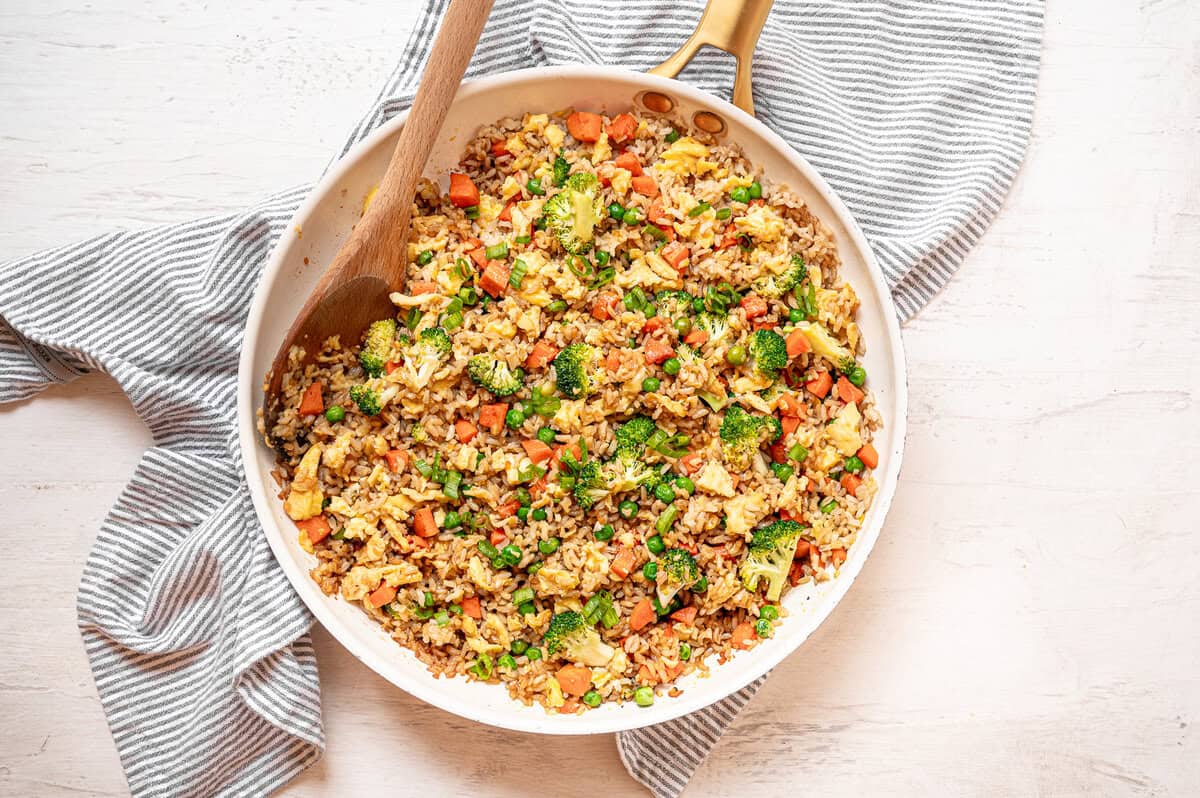
- Fried Rice: Transform leftover rice into a delicious fried rice dish by sautéing it with eggs, peas, and soy sauce. This method offers a quick and satisfying dinner option that can be ready in under 15 minutes.
- Pasta Salad: Take your leftover pasta and mix it with olive oil, balsamic vinegar, and any accompanying vegetables or proteins for a refreshing cold dish that’s perfect for picnics or as meal prep for the week ahead.
- Casseroles: Combine grains with proteins and vegetables in a baking dish, adding a simple sauce or cheese topping for a cozy, comforting casserole packed with flavor.
By reimagining the way you use proteins, vegetables, and grains, you can create exciting and varied meals that transcend the traditional concept of leftovers. Embracing these strategies not only saves you time and money, but it also sharpens your cooking skills and significantly reduces food waste — a rewarding endeavor both for your kitchen and the environment. So, next time you open your refrigerator, let your creativity flow and transform those leftovers into delightful new dishes!
| Advantages | Details |
|---|---|
| Cost-Effective Cooking | Using leftovers minimizes food waste and maximizes your grocery budget. |
| Creative Meal Solutions | Transforming simple ingredients into gourmet dishes sparks culinary creativity. |
| Time Efficiency | Quickly prepare meals by repurposing already cooked food, saving valuable time. |
| Healthier Choices | Control ingredients and portion sizes, enabling healthier meal options. |
When utilizing leftovers, the advantages go beyond just saving money; they also embrace the essence of sustainability and creativity in cooking. By focusing on cost-effective cooking, you leverage what you already have, reducing grocery expenses and food waste. This is a crucial aspect as research shows that nearly one-third of food produced globally is thrown away every year. Moreover, this approach encourages you to become more resourceful in the kitchen, transforming simple ingredients into delicious meals that not only taste great but also look appealing. Think about how exciting it can be to whip up a gourmet dish from yesterday’s roasted vegetables or grilled chicken.In addition, repurposing leftovers allows for time efficiency, freeing you from lengthy meal prep on busy nights. You can assemble nutritious meals in a flash, ensuring you have wholesome options available. Lastly, focusing on creating meals from leftovers also paves the way for healthier choices, as you can monitor and control your ingredients, leading to better eating habits overall. Delve into the strategies on how to initiate this creative cooking journey, and awaken your inner chef!
DISCOVER: Click here to learn how to make delicious one-pot meals
Garnishing with Grains and Legumes
Grains and legumes play an essential role in crafting hearty meals from leftovers. These ingredients not only stretch your meals further but also add significant nutritional value. From lentils to barley, leveraging these items can take your leftover creations to the next level. Here’s how to get creative with grains and legumes:
Lentils: The Protein Powerhouse
Leftover lentils are a wonderful, nutrient-rich ingredient that can enhance many dishes. Here are a few ways to incorporate them:
- Lentil Soup: Turn your remnants into a delicious lentil soup by simmering them with vegetable or chicken stock, diced tomatoes, and any leftover vegetables you have. This creates a fulfilling meal that’s perfect for chilly evenings.
- Lentil Salad: Toss cooled leftover lentils with diced cucumbers, bell peppers, and a lemon-tahini dressing for a refreshing salad. This is ideal for a filling lunch or as a side for grilled meats.
- Lentil Patties: Combine lentils with breadcrumbs, spices, and an egg to form patties. Pan-fry them for a quick and tasty veggie burger option suitable for both lunch and dinner.
Couscous and Quinoa: The Fast Track to Flavors
Both couscous and quinoa are speedy grains that embrace leftover ingredients beautifully. Here are some suggested methods:
- Couscous Bowls: Mix your leftover couscous with roasted or sautéed vegetables, and drizzle with olive oil and a dash of lemon juice for a quick grain bowl that dazzles the palate.
- Stuffed Peppers: Combine quinoa with black beans, corn, and spices to create a stuffing for bell peppers. Bake them until tender for a warm, hearty dish that’s bursting with flavor.
- Quinoa Breakfast Bowls: Transform leftover quinoa into a breakfast dish by topping it with yogurt, honey, and fresh fruits like berries or bananas — a fantastic way to start your day.
Beans: Versatile and Always Satisfying
Beans are another leftovers darling, packed with protein and fiber. They can easily elevate any dish. Explore these ideas:
- Bean Chili: Use any leftover beans as a base for chili. Add tomatoes, spices, and your choice of additional protein for a robust chili that can simmer on the stove or slowly in a crockpot.
- Vegetarian Tacos: Mix beans with onions, garlic, and spices for a quick and zesty filling for tacos or burritos. Top with avocado and salsa for added flair.
- Cold Bean Salad: Create a refreshing bean salad by mixing different bean varieties with diced onion, tomato, cilantro, and a zesty lime dressing. This is great as a side at summer barbecues or as a meal prep option during the week.
By integrating grains and legumes into your leftover strategy, you breathe new life into simple ingredients while ensuring that each meal is both satisfying and nutritious. Emphasizing these versatile foods allows for greater flexibility in the kitchen and encourages less waste, paving the way for a sustainable cooking approach. Dive into your pantry and let your culinary imagination go wild!
DISCOVER: Click here for quick one-pot meal ideas
Conclusion: Unlocking the Potential of Leftovers
In today’s fast-paced world, transforming leftovers into delectable meals not only helps minimize waste but also encourages creativity in the kitchen. By incorporating various ingredients like grains, legumes, and other simple items, you can elevate your leftovers into dishes that are both satisfying and flavorful. As we’ve explored, the possibilities are endless – from hearty soups and refreshing salads to enticing grain bowls and hearty casseroles. These meals can be tailored to suit every taste and dietary need.
Furthermore, prioritizing sustainability in your cooking practices can significantly impact your kitchen habits. By consciously utilizing leftover ingredients, you’re not just saving money but also preserving precious resources. This culinary approach inspires a reduced waste lifestyle and opens the door to innovative cooking methods that enhance both flavor and nutrition.
As you embark on your journey to create delicious meals from leftover foods, remember that every ingredient has potential waiting to be uncovered. Whether it’s repurposing last night’s dinner or transforming pantry staples into something extraordinary, the key lies in your imagination. With a pinch of creativity and a dash of adventure, you can turn mundane remnants into extraordinary culinary delights. Don’t just view leftovers as an afterthought; see them as an opportunity to redefine taste and sustainability in your everyday cooking.
Related posts:
Comfort Recipes: Warm and Simple Dishes for Cold Days
Unveiling the Power of Simple Ingredients: Traditional Recipes with a Modern Twist
Economic Recipes with 5 Ingredients or Fewer
How to Transform Simple Ingredients into Gourmet Dishes
Dinners in 30 Minutes: Creating Tasty Dishes with Common Ingredients
Affordable Vegetarian Dishes Using Simple and Fresh Ingredients

Beatriz Johnson is a seasoned home cook and recipe developer with a passion for simplifying the art of budget-friendly and easy-to-make meals. With over a decade of experience in the kitchen, she specializes in topics like meal planning on a budget, affordable ingredient swaps, and quick cooking techniques for busy households. Through her work, Beatriz empowers readers to create delicious, satisfying meals while saving money and making the most of every grocery trip.